
Small Changes. Better Life.
Lifestyle Habits for You
Lifestyle Wellness: Why Everyday Habits Matter
Lifestyle wellness is about the daily habits and choices that shape how you feel, function, and live over time. Small, consistent actions—such as how you sleep, manage stress, and structure your day—play a major role in overall well-being.
A healthy lifestyle supports balance, reduces overwhelm, and makes it easier to maintain positive habits across mindset, nutrition, and fitness.
What Is Lifestyle Wellness?
Lifestyle wellness refers to the patterns, routines, and behaviors that influence your physical health, mental well-being, and quality of life.
It includes:
- Sleep habits
- Stress management
- Time and energy balance
- Daily routines
- Environment and organization
- Social connection and rest
Lifestyle wellness is not about doing more. It’s about creating habits that support your life instead of draining it.
Why Lifestyle Habits Are Important
Healthy lifestyle habits create the foundation for long-term wellness.
Benefits of supportive lifestyle habits include:
- Improved energy and focus
- Reduced stress and mental overload
- Better sleep quality
- More consistent healthy routines
- Increased emotional balance
- Long-term physical and mental health support
When lifestyle habits are aligned, other wellness areas—like nutrition and fitness—become easier to maintain.
How Lifestyle Affects Overall Well-Being
Lifestyle habits influence how your body and mind respond to daily demands.
Sleep and Recovery
Consistent sleep supports mood, focus, immune health, and physical recovery. Poor sleep can negatively affect energy, stress levels, and decision-making.
Stress Management
Daily stress without recovery leads to burnout. Lifestyle habits such as breaks, boundaries, and rest help regulate stress and improve resilience.
Time and Energy Balance
How you structure your day impacts productivity and mental clarity. A balanced lifestyle supports focus without constant exhaustion.
What a Healthy Lifestyle Looks Like
A healthy lifestyle is flexible, realistic, and personal. There is no single routine that works for everyone.
Examples of healthy lifestyle habits:
- Consistent sleep and wake times
- Simple daily routines
- Intentional rest and downtime
- Organized and calming spaces
- Time for connection and reflection
Healthy lifestyle habits adapt as your life changes.
Check out healthy eating for busy people for a nutritional lifestyle change.
Why Lifestyle Wellness Matters Long Term
Lifestyle choices compound over time. Small habits practiced consistently can reduce burnout, support long-term health, and improve overall quality of life.
Sustainable lifestyle habits:
- Prevent exhaustion and overwhelm
- Support long-term mental and physical health
- Create stability during stressful seasons
- Make wellness easier to maintain
Lifestyle wellness is about progress, not perfection.
A Gentle Reminder
You don’t need a perfectly structured life to build healthy habits. One small change at a time—supported by flexibility and self-awareness—creates meaningful growth.
New to lifestyle habits and wellness? Check out our beginner wellness guide.
At Sprout Above, we believe lifestyle habits are the environment where wellness grows 🌱
Featured Guide
How to Build a Morning Routine You’ll Actually Stick to
Recommended Books
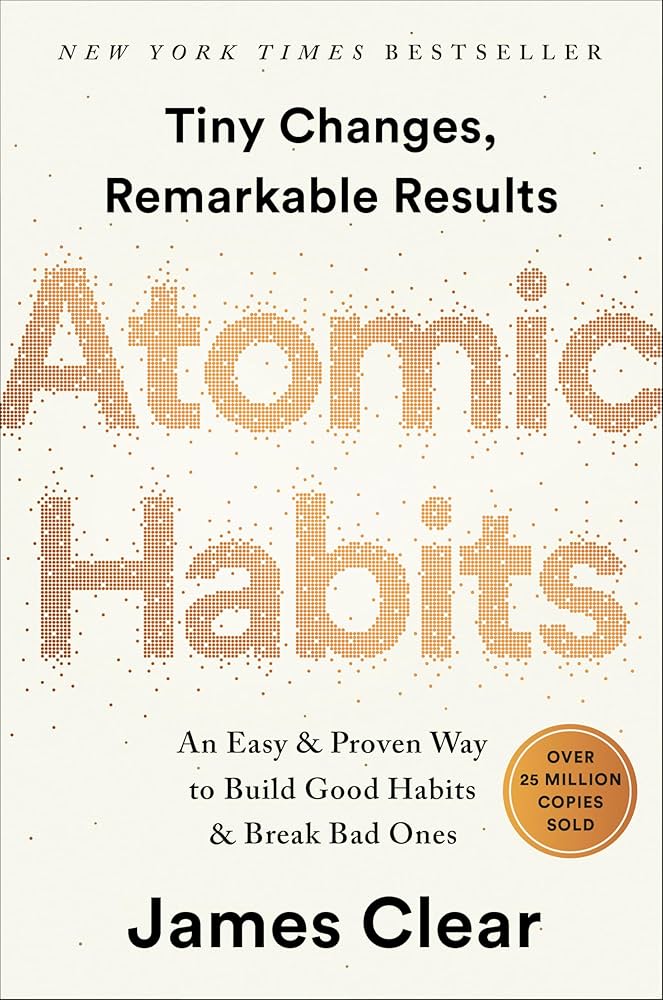
All time favorite book for self-improvement
Popular Lifestyle Articles
5 Lifestyle Habits for Better Health
Healthy Lifestyle Habits at Middle Age Benefits
5 Tips for Living a Healthier Life
What does lifestyle mean in wellness?
Lifestyle wellness refers to daily habits and routines that affect physical health, mental well-being, and overall quality of life.
Why is lifestyle important for health?
Lifestyle habits influence stress levels, sleep quality, energy, and long-term health outcomes.
How does lifestyle affect mental wellness?
Lifestyle habits like sleep, stress management, and daily balance strongly impact emotional health and mental clarity.
What lifestyle changes work the best?
Small, consistent lifestyle changes often lead to the most sustainable results.
Is lifestyle wellness the same for everyone?
No. Healthy lifestyle habits vary based on individual needs, responsibilities, and preferences.